

DV Response
Served With a DVO in Queensland: The First 72 Hours
A cop hands you paper, or you get a call to come to the station. Here is exactly what to do in the first three days, and what will bury you if you get it wrong.
Legally reviewed by Tracey McMillan · 31 July 2026
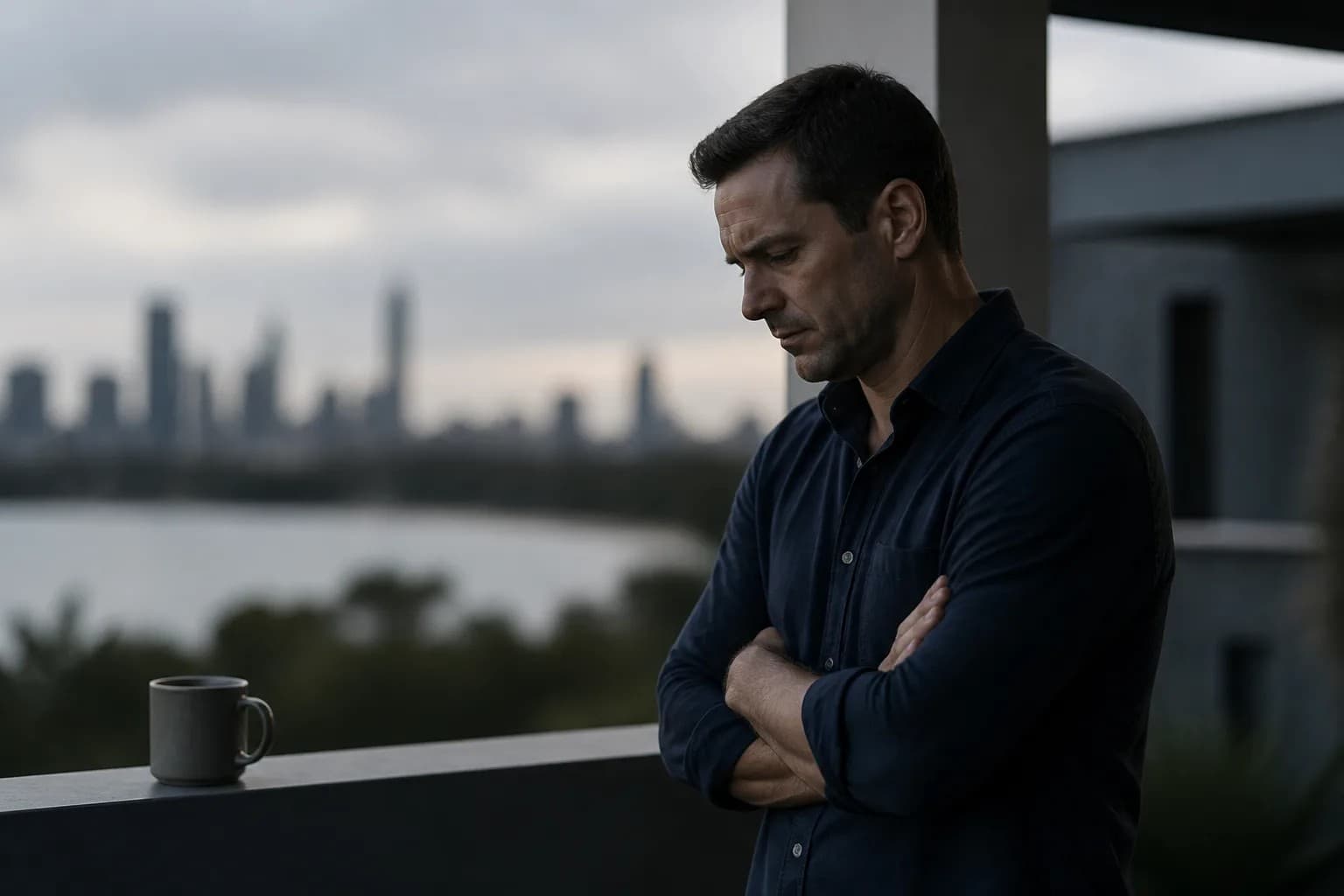
Served with a DVO in Queensland? Do not contact the person the order protects. Read every condition on the paper. Comply with all of it, even the parts that feel unfair. Get advice before your first court date. Breaching it is a criminal offence. That is the whole play for the first 72 hours.
What you have actually been handed
In Queensland these orders live under the Domestic and Family Violence Protection Act 2012. Police can issue a Police Protection Notice on the spot. A Magistrate can make a Temporary Protection Order that runs until the matter is sorted, then a final order after that.
Two words you will see on the paper, so let us kill the confusion now. You are the respondent, the person the order is made against. The other person is called the aggrieved, which is just the legal label for the person the order protects.
Here is the pattern that trips men up. You think being named as the respondent means you have been found guilty of something. It does not. A temporary protection order is about managing risk while the court works out what happens next. No conviction. No finding that you hurt anyone.
But the conditions are live from the moment you are served. Every single one.
The stakes: treat this as an insult to be argued with on the footpath and you will breach it before you have even read it. That is how a civil order, one that carries no criminal record on its own, turns into a criminal charge.
Translation: the paper is not the verdict. The paper is the rules. Follow the rules first, have the argument later.
Every state runs these differently
Quick orientation so you do not get bad advice from a mate in another state. Queensland calls it a DVO. New South Wales calls it an AVO and runs it through a different court process. If you are across the border, read the NSW version of this piece instead.
And do not think an interstate move dodges anything. Under the national recognition scheme, an order made in one state can be enforced everywhere in Australia. Fly to Perth, the order flies with you.
Translation: the label changes at the border. The teeth do not.
Read the conditions like your future depends on it
Because it does. Standard conditions are usually about being of good behaviour and not committing domestic violence. But orders often carry more. No contact. No going within a set distance of a home or workplace. Sometimes an ouster condition, which is a condition that keeps you out of a house you have been living in.
The why: these conditions are not suggestions and they are not negotiable by you. A well-meaning text saying "can we just talk about the kids" can be a breach if the order says no contact. So can getting a mate to pass on a message. Contact through a third person still counts as contact.
The stakes: breaching a DVO in Queensland is a criminal offence, prosecuted by police, with real consequences on your record. "I didn't mean it that way" is not a defence when the condition was in black and white.
The tactical ask: sit down, sober, and read the order twice. Highlight every condition. Assume the strictest reading of each one is the one that applies to you.
Translation: if the order says no contact, no contact means none. Not a text, not a mate, not a Facebook poke.
The accidental breach is still a breach
This is the one that sinks good men. You bump into her at the same supermarket you both always used. Your kid rings you crying and you drive over on instinct. You reply to her message because she messaged first.
None of that reads as innocent once it lands in the file police put together.
The why: the order does not care about your intentions. It cares about what you did. Your fight-or-flight wiring, the same system that slams your foot on the brake before you have consciously decided anything, does not read court orders. It just moves. If she contacts you, that does not unlock your right to respond. If a location is off limits, being there out of habit is still being there.
The tactical ask: change your routines now. Different shops, different routes, different gym times. If something genuinely urgent about the kids comes up and the order restricts contact, that goes through lawyers or an agreed channel, not through you freelancing at 11pm.
Translation: the safest respondent is a boring one. Predictable, distant, documented.
Consent without admissions, or contest
Your first court appearance is called the mention date. It is short. The case gets listed, the paperwork gets checked, and you are asked what you intend to do.
Broadly, you have three roads. Consent to a final order without admissions. Contest it and have it set down for a hearing. Or negotiate the conditions and the wording.
Consenting without admissions means you agree to the order being made without agreeing that you did anything wrong. No findings against you about what happened. It can be the pragmatic call where the relationship is over anyway and fighting a hearing costs more than it is worth.
But do not reach for it blind. An order has consequences that ripple. It can affect your firearms licence. It can sit in the background of a parenting matter. It can show up when police run a check. Whether to consent or contest depends on the conditions being asked for, the evidence, and what else is going on in your life. That is a legal advice question, not a pub question.
The tactical ask: before you agree to anything, get someone who practises in domestic violence matters to read the application and the conditions. Do it before the mention date, not on the courthouse steps.
Translation: consenting without admissions can be smart or it can be lazy. The difference is whether you understood what you signed.
The kids and the firearms
Two things the men we work with ask first, so let us be straight.
Your kids. A DVO does not automatically end your time with your children. But if the person the order protects or the children are named as protected people, the order can restrict or shape contact, and it interacts with any parenting arrangement. Where a DVO and a parenting order collide, that needs proper handling, not guesswork. Get across how these two systems talk to each other on our parenting page.
Your firearms. Being named as a respondent can affect a weapons licence in Queensland. If your work depends on it, flag that with your lawyer early, because it can move fast.
Translation: the order does not delete you as a dad. But it can rewrite the terms, so get advice before you assume anything.
What the next three days look like done right
Steady. Documented. Advised.
Read the order. Comply with all of it. Stop any contact the order restricts. Change your routines. Write down what happened when you were served and keep it. Book advice with someone who works with men in family law before the first mention. If cost is the thing stopping you, that is what arrangements like paying at the end exist for.
And if the truth is that the person the order protects is genuinely at risk, safety comes first, full stop. There is no clever legal play that sits above that.
Translation: rage loses. Process wins. Be the boring, compliant, well-advised respondent and you give yourself the best shot at everything downstream.
FAQ
What happens if I breach it accidentally?
An accidental breach is still a criminal offence in Queensland. Intention does not save you. If you think you may have breached, stop, do not contact the person the order protects, and speak to a lawyer immediately.
Can I still see my kids?
A DVO does not automatically stop your time with your children, but it can restrict or reshape contact, especially if the kids are named on the order. Where it clashes with a parenting arrangement, get advice before you act.
Should I consent without admissions?
Sometimes yes, sometimes no. It means the order is made without you admitting you did anything wrong, but it still carries consequences. Have a lawyer read the conditions before you decide.
Do I need a lawyer for the first mention date?
You are not required to have one, but you should get advice before it. What you agree to at that first short appearance can lock in conditions that follow you, so understand them first.
Does a DVO show up on checks?
A DVO is a civil order, not a criminal conviction, but police can see it and a breach is criminal. It can also affect things like a firearms licence. Ask your lawyer how it applies to your situation.
Primary sources
Consulted in researching this guide:
- Domestic and Family Violence Protection Act 2012 (Qld)legislation.qld.gov.au
- Queensland Government: domestic and family violence supportqld.gov.au
- Federal Circuit and Family Court of Australia: family violencefcfcoa.gov.au
More from Tracey: watch & listen →
Read next
Applying for Consent Orders: Locking In the Deal Without a Trial
You and your ex have agreed. Good. Now you have to make that agreement legally real, because a handshake and a text message are worth exactly nothing when one of you changes their mind in eighteen months.
Continue →Right now is hard. If you're not okay:
24/7 · Free, confidential support · Immediate danger, call 000
Subscribe
Field notes by email.
New tactical pieces from inside the family courts, written for the men in the middle of it. One email when there's something worth your time.
Privacy:Queensland Law Practice Pty Ltd (trading as Forge) collects your email only to send these field notes. We don't share it. Unsubscribe anytime. Full privacy policy.